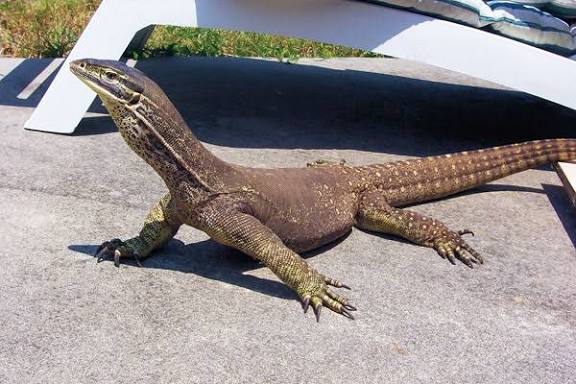
Argus Monitor
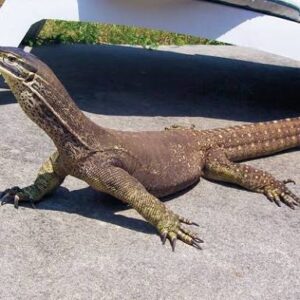
The Argus Monitor for sale (Varanus panoptes horni) is one of the most intelligent and active monitor lizards in the world. Native to northern Australia and southern Papua New Guinea, this impressive reptile is admired for its striking spotted pattern, exceptional hunting instincts, and remarkable intelligence. Due to its large adult size and demanding husbandry, the Argus Monitor is generally recommended for experienced reptile keepers.
Whether you’re researching an Argus Monitor or learning about its care requirements, this guide covers its size, habitat, diet, lifespan, and answers to frequently asked questions.
Argus Monitor Overview
| Feature | Information |
|---|---|
| Scientific Name | Varanus panoptes horni |
| Common Name | Argus Monitor |
| Native Range | Papua New Guinea & Northern Australia |
| Adult Size | 3–5.5 feet (90–150 cm) |
| Lifespan | 15–20+ years |
| Diet | Carnivorous |
| Experience Level | Advanced |
Argus Monitor Size
Many people researching the Argus Monitor size are surprised by how quickly these lizards grow.
Typical adult measurements include:
- Juveniles: 12–18 inches
- Adult females: 3–4 feet
- Adult males: 4–5.5 feet
Although not the largest monitor species, they are extremely active and athletic.
Argus Monitor Care
Proper Argus Monitor care requires significant space and environmental enrichment.
Enclosure
Recommended adult enclosure:
- Minimum 10 × 4 × 4 feet
- Larger enclosures are strongly recommended
- Secure locking doors
- Deep digging substrate
- Large climbing branches
- Multiple hides
- Spacious water container for soaking
Argus monitors are highly intelligent and benefit from varied enclosure layouts that encourage natural behaviors such as climbing, digging, and exploring.
Heating & Lighting
Maintaining proper temperatures is essential.
Recommended temperatures:
- Ambient: 82–88°F (28–31°C)
- Basking area: 113–122°F (45–50°C)
- Cool end: 75–80°F (24–27°C)
- Night: Above 72°F (22°C)
Provide:
- High-output UVB lighting
- 10–12 hour light cycle
- Access to shade and cooler areas
Humidity
Argus monitors naturally experience seasonal changes in humidity.
General recommendations include:
- Moderate humidity around 50–70%
- Slightly damp lower substrate layers
- Good ventilation
- Fresh water available at all times
Argus Monitor Diet
The Argus Monitor diet consists primarily of whole-animal prey and invertebrates.
Common food items include:
- Insects
- Crickets
- Roaches
- Quail
- Appropriately sized rodents
- Eggs (occasionally)
Young animals generally require more frequent feeding than adults. A varied diet helps provide balanced nutrition.
Temperament
Argus monitors are among the most intelligent reptiles kept in captivity.
Typical characteristics include:
- Extremely curious
- Highly active
- Food motivated
- Capable of recognizing routines
- Can become more tolerant of routine keeper interaction over time
Because of their strength, speed, and defensive abilities, they are best suited to experienced keepers.
Argus Monitor Full Size
A fully grown Argus Monitor can exceed 5 feet in total length, with males typically growing larger than females. Their long tail accounts for a significant portion of their overall size and aids in balance, climbing, and defense.
Habitat
In the wild, Argus monitors inhabit:
- Tropical savannas
- Open woodlands
- Floodplains
- Grasslands
- Forest edges
They are excellent climbers, strong diggers, and active foragers, spending much of the day searching for food.
Argus Monitor Lifespan
With excellent husbandry, Argus monitors commonly live:
- 15–20 years
- Some individuals may live even longer under optimal care.
Their longevity means prospective keepers should be prepared for a long-term commitment.
Frequently Asked Questions
Is an Argus Monitor a good pet?
Argus monitors can be rewarding for experienced reptile keepers who have the space, time, and knowledge to meet their complex husbandry needs. They are generally not recommended for beginners because of their size, activity level, and specialized care requirements.
Is the Argus Monitor venomous?
Like many monitor lizards, Argus monitors possess oral secretions that may contribute to prey capture, but they are not considered dangerously venomous to humans. Their sharp teeth, powerful jaws, and claws are capable of causing significant injuries if they bite or scratch.
How much does an Argus Monitor cost?
The price of an Argus Monitor varies depending on factors such as age, lineage, captive-bred availability, locality, and regional market conditions.
What is another name for the Argus Monitor?
The Argus Monitor is scientifically known as Varanus panoptes, with the New Guinea form commonly referred to as Varanus panoptes horni. It is also sometimes called the Yellow-Spotted Monitor in parts of its natural range.
Final Thoughts
The Argus Monitor is an intelligent, energetic, and highly engaging lizard that thrives when provided with a spacious enclosure, appropriate temperatures, UVB lighting, and opportunities to express natural behaviors. While demanding in terms of husbandry, this remarkable species offers experienced reptile enthusiasts the chance to observe one of the most active and inquisitive monitor lizards in the world.