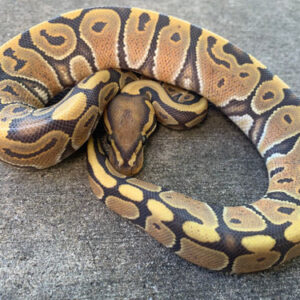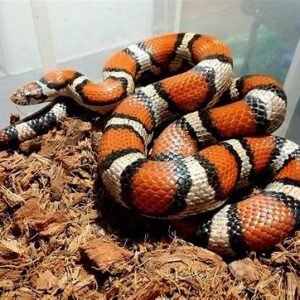
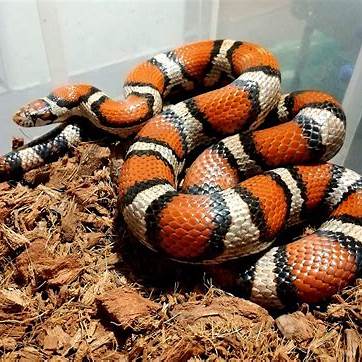
Corn snake hybrids (pyro corn)
Corn Snake Hybrids for sale Guide – Care, Genetics & Frequently Asked Questions
Corn snakes (Pantherophis guttatus) are among the most popular pet snakes due to their calm temperament, manageable size, and remarkable variety of colors and patterns. Through selective breeding, enthusiasts have developed numerous morphs and hybrid combinations that showcase an impressive range of appearances while maintaining the species’ reputation as a hardy and rewarding reptile.
This guide explores corn snake hybrids, common morphs, genetics, habitat requirements, diet, lifespan, and answers many of the questions prospective keepers frequently ask.
About Corn Snake Hybrids for sale
Common Name
Corn Snake
Scientific Name
Pantherophis guttatus
Family
Colubridae
Native Range
Wild corn snakes are native to:
- Southeastern United States
- Florida
- Georgia
- Alabama
- Mississippi
- Louisiana
- South Carolina
- North Carolina
They naturally inhabit forests, grasslands, farms, and rocky areas.
Recognized Corn Snake Morphs
Selective breeding has produced hundreds of recognized corn snake morphs.
Popular examples include:
- Amelanistic
- Anerythristic
- Snow
- Ghost
- Lavender
- Bloodred
- Butter
- Tessera
- Palmetto
- Scaleless
- Motley
- Stripe
Each morph displays unique combinations of colors and pattern variations.
Pattern Clarity and Color Range
Corn snakes are admired for their:
- Bright coloration
- Distinct saddles
- Clean pattern transitions
- Wide variety of morph combinations
Breeders continue developing new combinations through responsible selective breeding.
Corn Snake Hybrids
Corn snake hybrids are produced by crossing corn snakes with closely related species within the genus Pantherophis.
Some hybrid combinations may display unique:
- Color patterns
- Body markings
- Scale characteristics
- Growth rates
Understanding the genetics behind hybrid reptiles is an important part of responsible reptile keeping.
Corn Snake Hybrids Near You
People often search for Corn Snake Hybrids Near Me when looking for information about local reptile breeders, expos, or specialty reptile stores.
Before acquiring any reptile, prospective keepers should research:
- Local regulations
- Housing requirements
- Long-term care
- Veterinary availability
Baby Corn Snake Hybrids
Young corn snakes are typically:
- 8–15 inches long
- Curious
- Active
- Excellent climbers
Juveniles require appropriately sized prey, secure enclosures, and consistent environmental conditions to support healthy growth.
Corn Snake Size
Adult corn snakes generally reach:
- 3–5 feet (90–150 cm)
Females are often slightly larger than males.
Corn Snake Lifespan
With proper husbandry, corn snakes commonly live:
- 15–20 years
Some individuals may exceed 20 years in captivity.
Habitat Requirements
A properly designed enclosure should provide:
- Secure lid
- Multiple hiding places
- Climbing branches
- Water bowl
- Appropriate substrate
- Temperature gradient
Temperature and Humidity
Recommended conditions include:
Warm side:
- 84–88°F (29–31°C)
Cool side:
- 72–78°F (22–26°C)
Humidity:
- 40–60%
Fresh water should always be available.
Diet
Corn snakes are carnivores.
Their diet generally consists of appropriately sized frozen-thawed rodents offered at intervals based on age and size.
Behavior
Corn snakes are known for being:
- Calm
- Curious
- Easy to observe
- Primarily nocturnal or crepuscular
Many adapt well to routine, gentle handling after settling into their environment.
Shedding
Healthy corn snakes shed their skin periodically as they grow.
Providing appropriate humidity and rough surfaces can assist with successful shedding.
Frequently Asked Questions
What is a corn snake hybrid?
A corn snake hybrid is the result of breeding a corn snake with a closely related snake species, producing offspring with traits from both parents.
How big do corn snakes get?
Most adults reach between 3 and 5 feet in length.
How long do corn snakes live?
They commonly live 15–20 years with proper care.
Are corn snakes good beginner snakes?
Corn snakes are widely considered one of the most beginner-friendly snake species due to their generally calm temperament and straightforward husbandry requirements.
What do corn snakes eat?
They are carnivores that typically eat appropriately sized rodents.
Do corn snakes require UVB?
While not considered essential by many keepers, low-level UVB lighting may provide enrichment and support natural behaviors.
Are corn snake morphs different species?
No. Morphs are genetic color and pattern variations within the same species.
How often do corn snakes shed?
Juveniles shed more frequently during growth, while adults usually shed several times per year.
Can corn snakes be handled?
Most captive-bred corn snakes tolerate calm, gentle handling once acclimated.
What should I know before getting a corn snake?
Prospective keepers should understand the species’ long lifespan, enclosure needs, feeding requirements, and local regulations before acquiring one.
Final Thoughts
Corn snakes remain one of the most diverse and well-known snake species in herpetoculture. Their remarkable range of morphs, manageable size, and generally calm nature have made them a favorite among reptile enthusiasts. Learning about their genetics, natural history, and husbandry requirements helps prospective keepers provide a healthy, enriching environment throughout the snake’s long life.