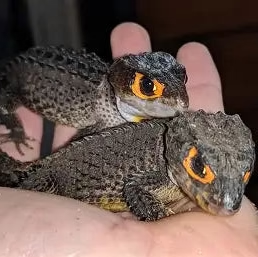
Red-Eyed Crocodile Skink
The Red-Eyed Crocodile Skink for sale (Tribolonotus gracilis) is one of the most unusual reptiles found in the pet hobby. Native to the tropical rainforests of Papua New Guinea, this fascinating lizard is famous for its dragon-like appearance, heavily armored scales, and brilliant orange-red eyes. Often referred to as the Crocodile Skink, it is best appreciated as a display animal due to its shy and secretive nature.
This guide explores the Red-Eyed Crocodile Skink, including its natural habitat, adult size, lifespan, diet, enclosure requirements, and answers to commonly asked questions.
Red-Eyed Crocodile Skink Overview
| Feature | Information |
|---|---|
| Scientific Name | Tribolonotus gracilis |
| Common Name | Red-Eyed Crocodile Skink |
| Origin | Papua New Guinea |
| Adult Size | Around 20 cm (8 inches) |
| Lifespan | 10–15 years with proper care |
| Diet | Insectivore |
| Experience Level | Intermediate |
Red-Eyed Crocodile Skink Size
Many people researching the Red-Eyed Crocodile Skink size are surprised that these reptiles remain relatively small.
Typical adult measurements include:
- Length: 18–20 cm (7–8 inches)
- Weight: Approximately 35–60 grams
Despite their modest size, their spiny scales and armored appearance make them look much larger.
Red-Eyed Crocodile Skink Care
Proper Red-Eyed Crocodile Skink care focuses on recreating a cool, humid rainforest environment.
Enclosure
Recommended enclosure:
- Minimum 24″ × 18″ × 18″ for one adult
- Secure lid
- Plenty of hiding places
- Cork bark and driftwood
- Moss and leaf litter
- Live or artificial plants
These skinks spend much of their time hidden beneath vegetation or logs.
Temperature & Humidity
Maintaining stable environmental conditions is essential.
Recommended temperatures:
- Daytime: 72–78°F (22–26°C)
- Night: 68–72°F (20–22°C)
Humidity:
- Maintain 70–90%
- Mist daily
- Provide a humid hide
- Ensure good ventilation to reduce stagnant air
Red-Eyed Crocodile Skink Diet
The Red-Eyed Crocodile Skink diet consists primarily of live invertebrates.
Suitable feeders include:
- Crickets
- Dubia roaches
- Mealworms (occasionally)
- Earthworms
- Black soldier fly larvae
- Small silkworms
Feeders should be gut-loaded and dusted with calcium and vitamin supplements as appropriate.
Fresh water should always be available in a shallow dish.
Red-Eyed Crocodile Skink Lifespan
With proper husbandry, these reptiles commonly live:
- 10–15 years
- Some individuals may live even longer under excellent care.
Temperament
The Red-Eyed Crocodile Skink is known for its calm but shy personality.
Typical behaviors include:
- Spending much of the day hiding
- Becoming active during cooler hours
- Preferring observation rather than frequent handling
- Remaining relatively slow-moving compared to many lizard species
Because of their delicate skin and stress sensitivity, handling should be kept to a minimum.
Habitat
In the wild, these skinks inhabit:
- Tropical rainforests
- Moist forest floors
- Leaf litter
- Fallen logs
- Moss-covered environments
Replicating these conditions in captivity helps promote natural behaviors and overall well-being.
Frequently Asked Questions
Are Red-Eyed Crocodile Skinks good pets?
They can make rewarding display animals for keepers who enjoy observing natural behaviors. Their shy temperament means they are generally not ideal for people looking for a reptile that enjoys frequent handling.
How much does a Red-Eyed Crocodile Skink cost?
Prices vary depending on captive-bred availability, age, locality, and regional demand.
Are Red-Eyed Crocodile Skinks aggressive?
No. They are generally timid and prefer hiding over confrontation. If threatened, they may vocalize or attempt to flee rather than bite.
How many eggs do Red-Eyed Crocodile Skinks lay?
Females typically lay one egg per clutch, which is unusual among many lizard species. Under suitable conditions, they may produce multiple clutches over the course of a breeding season.
Final Thoughts
The Red-Eyed Crocodile Skink is an extraordinary rainforest reptile admired for its prehistoric appearance, vivid red eyes, and secretive behavior. While not a hands-on species, it can thrive in a carefully maintained tropical enclosure with appropriate humidity, hiding places, and a varied insect diet. For reptile enthusiasts interested in observing natural behaviors, this unique skink offers a fascinating glimpse into one of Papua New Guinea’s most distinctive lizard species.