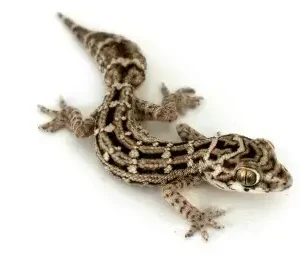
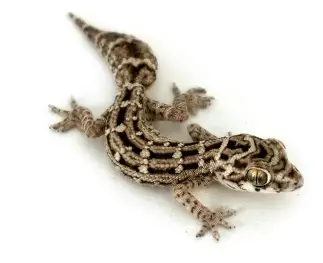
Baby Viper Gecko for sale
Viper Gecko for sale Guide (Teratolepis fasciata) – Habitat, Diet, Enclosure, Lifespan & Complete Species Guide
Viper Gecko
The Viper Gecko (Teratolepis fasciata) is a fascinating small gecko native to the arid and semi-desert regions of Pakistan. Despite its name, the Viper Gecko is completely harmless and earns its common name from its banded appearance and quick, snake-like movements rather than any venomous characteristics.
With its distinctive markings, active nighttime behavior, and relatively simple care requirements, the Viper Gecko has become increasingly popular among reptile enthusiasts looking for a unique display species.
This guide explains everything prospective keepers should know about the Viper Gecko, including habitat requirements, enclosure setup, feeding, behavior, lifespan, breeding, and answers to frequently asked questions.
About the Viper Gecko
Common Name
Viper Gecko
Scientific Name
Teratolepis fasciata
Family
Sphaerodactylidae
Native Range
Viper Geckos are native to:
- Pakistan
They naturally inhabit:
- Rocky deserts
- Dry scrublands
- Sandy plains
- Arid grasslands
These geckos spend much of the day sheltering beneath rocks and emerging after sunset to hunt insects.
Viper Gecko Size
One of the most commonly searched questions is:
Viper Gecko Size
Adult Viper Geckos typically reach:
- 8–10 cm (3–4 inches) in total length
Although small, they are energetic reptiles that make excellent display animals.
Appearance
Viper Geckos are admired for their attractive coloration and distinctive body pattern.
Typical characteristics include:
- Cream to tan body coloration
- Dark brown or black crossbands
- Large eyes with vertical pupils
- Slender body
- Thin tail
- Small clawed toes adapted for rocky terrain
Their camouflage helps them blend naturally into desert environments.
Viper Gecko Habitat
In the wild, Viper Geckos inhabit dry environments with loose soil, rocks, and scattered vegetation.
Captive habitats should replicate these conditions by providing:
- Dry substrate
- Flat rocks
- Cork bark
- Secure hiding places
- Small climbing structures
- Excellent ventilation
Providing several hides allows the geckos to regulate temperature and reduce stress.
Viper Gecko Enclosure
Viper Gecko Enclosure
A properly designed enclosure is essential for long-term health.
Recommended enclosure sizes include:
- 10-gallon terrarium for a pair or small group
- Larger enclosures for breeding colonies
Suitable substrates include:
- Fine sand
- Sand and clay mixes
- Bioactive arid substrates
Decorations may include:
- Rocks
- Driftwood
- Cork bark
- Artificial plants
- Low branches
Always ensure heavy decorations rest securely on the enclosure floor to prevent injury.
Temperature and Humidity
Ideal environmental conditions include:
Warm side:
- 88–92°F (31–33°C)
Cool side:
- 75–80°F (24–27°C)
Night temperatures:
- 70–75°F (21–24°C)
Humidity:
- 30–50%
A small humid hide can assist with successful shedding while maintaining a generally dry enclosure.
Viper Gecko Food
Viper Gecko Food
Viper Geckos are insectivores.
Their diet commonly consists of:
- Pinhead crickets
- Small mealworms
- Fruit flies
- Small roaches
- Bean beetles
- Black soldier fly larvae
Feeder insects should be gut-loaded and dusted regularly with calcium and vitamin supplements.
Fresh water should always be available in a shallow dish.
Behavior
Viper Geckos are generally:
- Nocturnal
- Active hunters
- Fast-moving
- Curious
- Shy around people
Because of their small size and speed, they are usually appreciated as display reptiles rather than animals for frequent handling.
Viper Gecko Cohabitation
Viper Gecko Cohabitation
Unlike many gecko species, Viper Geckos may sometimes be maintained in compatible groups when provided with sufficient space and resources.
Successful group housing generally requires:
- Multiple hiding places
- Plenty of feeding stations
- Adequate enclosure size
- Careful observation for aggression
Adult males should be monitored closely, as territorial behavior may occur.
Breeding
Female Viper Geckos typically lay:
- One or two eggs per clutch
Eggs are usually deposited beneath rocks or inside humid shelters.
Incubation generally lasts several weeks, depending on environmental conditions.
Young geckos should be housed separately until they are feeding reliably.
Lifespan
With proper husbandry, Viper Geckos commonly live:
- 8–12 years
Good nutrition and stable environmental conditions contribute to long-term health.
Common Health Concerns
Maintaining proper husbandry helps reduce the risk of:
- Shedding problems
- Metabolic bone disease
- Parasites
- Dehydration
- Respiratory infections
Routine observation and prompt veterinary care are recommended whenever illness is suspected.
Frequently Asked Questions
Are Viper Geckos good pets?
Viper Geckos can make rewarding reptiles for keepers who enjoy observing natural behaviors. Because they are small, fast, and somewhat delicate, they are generally considered better display animals than handling pets.
Are Viper Geckos poisonous?
No. Viper Geckos are not poisonous or venomous.
How many Viper Geckos can live together?
Small compatible groups may be maintained in appropriately sized enclosures with multiple hides and feeding areas. Careful monitoring is important, especially if males are housed together.
Can a Viper Gecko live in a 10-gallon enclosure?
A well-designed 10-gallon terrarium can be suitable for a small number of Viper Geckos, provided it offers adequate floor space, hiding places, and proper environmental conditions.
How big do Viper Geckos get?
Adults generally reach 8–10 cm (3–4 inches).
What do Viper Geckos eat?
They primarily feed on small live insects such as crickets, mealworms, fruit flies, and small roaches.
Do Viper Geckos need UVB lighting?
Although many keepers maintain them successfully without UVB when proper supplementation is provided, low-level UVB lighting may support natural behavior and calcium metabolism.
Are Viper Geckos easy to care for?
They are generally considered relatively hardy when provided with appropriate heating, a dry enclosure, and a varied insect diet.
Can Viper Geckos be handled?
Handling should be kept to a minimum, as these geckos are fast-moving and can become stressed by frequent handling.
How long do Viper Geckos live?
With proper care, they commonly live 8–12 years.
Final Thoughts
The Viper Gecko (Teratolepis fasciata) is a captivating desert reptile known for its striking banded appearance, active nocturnal behavior, and manageable size. While best suited as a display species, these geckos reward attentive keepers with fascinating natural behaviors. By providing a secure arid enclosure, appropriate temperatures, a varied insect diet, and excellent husbandry, enthusiasts can enjoy observing this remarkable species for many years.