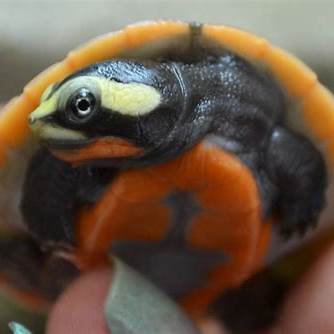
Pink Belly Sideneck turtle
Pink Belly Sideneck Turtle for sale Guide (Emydura subglobosa)—Habitat, Diet, Tank Setup & Complete Owner’s Guide
Pink-bellied sideneck turtle
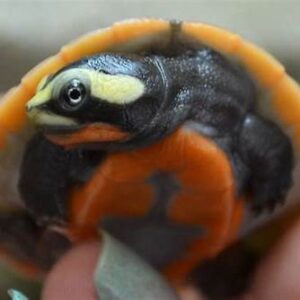
The Pink Belly Sideneck Turtle (Emydura subglobosa) is one of the most colorful freshwater turtles kept by reptile enthusiasts. Native to Papua New Guinea and northern Australia, this attractive aquatic turtle is admired for its vibrant pink to reddish-orange plastron (belly), gentle temperament, and active swimming behavior.
Unlike many turtles that retract their heads straight back into their shells, Pink Belly Sideneck Turtles tuck their heads sideways beneath the edge of their shell, giving them the name “sideneck turtle.”
With proper housing, nutrition, and water quality, these fascinating turtles can thrive for decades, making them a rewarding species for dedicated keepers.
About the Pink Belly Sideneck Turtle
Common Name
Pink Belly Sideneck Turtle
Scientific Name
Emydura subglobosa
Family
Chelidae
Native Range
This species naturally occurs in:
- Papua New Guinea
- Northern Australia
They inhabit:
- Slow-moving rivers
- Streams
- Lagoons
- Floodplains
- Freshwater wetlands
Pink Belly Sideneck Turtle Size
One of the most common questions new keepers ask is:
Pink Belly Sideneck Turtle Size
Adult Pink Belly Sideneck Turtles typically reach:
- 6–10 inches (15–25 cm) in shell length
Males generally remain slightly smaller than females.
Growth depends on:
- Diet
- Water quality
- Habitat
- Genetics
- Overall husbandry
Appearance
Pink Belly Sideneck Turtles are known for their striking coloration.
Features include:
- Bright pink to red plastron
- Gray to olive shell
- Yellow facial markings
- Streamlined body
- Side-neck retraction
- Webbed feet for powerful swimming
Their colorful underside makes them one of the most recognizable freshwater turtles in the hobby.
Pink Belly Sideneck Turtle Lifespan
Pink Belly Sideneck Turtle Lifespan
With proper care, these turtles commonly live:
- 20–30 years
Some individuals may live even longer under excellent captive conditions.
Owning one is a long-term commitment.
Pink Belly Sideneck Turtle Tank Setup
Creating the proper habitat is essential.
Aquarium Size
Recommended minimum tank sizes include:
- Juveniles: 40–55 gallons
- Adults: 75–125 gallons or larger
Larger aquariums provide:
- Better swimming space
- Improved water quality
- Greater environmental enrichment
Water Depth
These turtles are excellent swimmers and appreciate deep water with easy access to resting platforms.
Basking Area
Provide:
- A sturdy basking platform
- Heat lamp
- UVB lighting
- Easy climbing access
Water Parameters
Ideal water conditions include:
Temperature:
- 75–82°F (24–28°C)
Basking temperature:
- 88–92°F (31–33°C)
pH:
- 6.8–7.8
Maintain excellent water quality using high-capacity filtration and regular partial water changes.
Diet
Pink Belly Sideneck Turtles are omnivores.
A varied diet may include:
- Commercial aquatic turtle pellets
- Earthworms
- Crickets
- Insects
- Shrimp
- Small fish
- Aquatic snails
- Leafy greens
- Aquatic plants
Young turtles typically consume more animal protein, while adults often eat a greater proportion of plant material.
Behavior
Pink Belly Sideneck Turtles are generally known for being:
- Active swimmers
- Curious
- Alert
- Peaceful
- Intelligent
They spend much of the day swimming, exploring, basking, and foraging.
Compatible Tank Mates
Large aquariums may allow compatibility with:
- Other similarly sized sideneck turtles
- Large peaceful fish
- Robust aquatic species
Avoid housing them with aggressive species or animals small enough to become prey.
Lighting Requirements
Proper UVB lighting supports:
- Healthy shell growth
- Calcium metabolism
- Vitamin D3 synthesis
- Overall health
Replace UVB bulbs according to the manufacturer’s recommendations.
Filtration
Because turtles produce significant waste, powerful filtration is essential.
Many keepers choose filters rated for aquariums larger than the actual tank volume.
Regular maintenance helps maintain excellent water quality.
Albino Pink Belly Sideneck Turtle
Albino Pink Belly Sideneck Turtle
Albino Pink Belly Sideneck Turtles are an uncommon color variation appreciated by reptile enthusiasts.
Their lighter coloration often results from genetic mutations affecting pigmentation.
Like all turtles, they require appropriate lighting, nutrition, and habitat conditions to thrive.
Common Health Concerns
Maintaining proper husbandry helps prevent common issues such as:
- Shell infections
- Respiratory illness
- Vitamin deficiencies
- Poor shell development
- Water quality-related diseases
Routine veterinary care is recommended whenever illness is suspected.
Conservation
Wild populations depend on healthy freshwater ecosystems.
Major conservation challenges include:
- Habitat degradation
- Water pollution
- Wetland loss
- Illegal wildlife collection
Supporting responsible conservation helps protect native turtle populations.
Frequently Asked Questions
How big do Pink Belly Sideneck Turtles get?
Adults generally reach 6–10 inches in shell length.
How long do Pink Belly Sideneck Turtles live?
Most live 20–30 years with excellent care.
Are Pink Belly Sideneck Turtles good pets?
Many experienced keepers appreciate their active behavior, colorful appearance, and relatively calm temperament. They require a spacious aquatic setup and long-term commitment.
What do Pink Belly Sideneck Turtles eat?
They are omnivores that consume aquatic turtle pellets, insects, fish, shrimp, worms, leafy vegetables, and aquatic plants.
Do Pink Belly Sideneck Turtles bask?
Yes. They require a dry basking area with heat and UVB lighting to support shell and bone health.
Can Pink Belly Sideneck Turtles live with fish?
Sometimes, depending on the size and temperament of the fish. Very small fish may be viewed as prey.
Are Albino Pink Belly Sideneck Turtles rare?
Albino individuals are considerably less common than normally colored turtles.
What kind of tank do they need?
Adults benefit from aquariums of at least 75–125 gallons with clean, filtered water, a basking platform, and UVB lighting.
Are Pink Belly Sideneck Turtles aquatic?
Yes. They are primarily aquatic turtles that spend most of their lives swimming, surfacing to breathe, and basking.
Are Pink Belly Sideneck Turtles beginner-friendly?
They can be suitable for beginners who are prepared to provide a large aquarium, proper filtration, heating, lighting, and long-term care.
Final Thoughts
The Pink Belly Sideneck Turtle (Emydura subglobosa) is a beautiful and engaging freshwater turtle known for its colorful underside, active swimming behavior, and unique side-neck retraction. With a spacious aquarium, excellent water quality, balanced nutrition, and proper lighting, these turtles can thrive for decades and become fascinating long-term companions for dedicated reptile enthusiasts.