
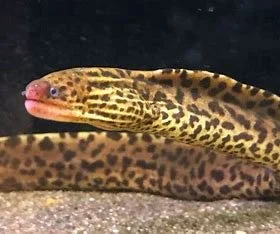
Freshwater Moray Eel Care For Sale Online
Live Freshwater Moray Eel Care Sale Guide
The Freshwater Moray Eel (Gymnothorax polyuranodon) is one of the most unusual and fascinating predatory fish available to experienced aquarium hobbyists. Although commonly called a freshwater moray eel, this remarkable species naturally inhabits rivers, estuaries, and coastal waterways throughout the Indo-Pacific and often benefits from hard, alkaline, or slightly brackish water conditions.
Recognized by its elongated body, powerful jaws, and secretive behavior, the Freshwater Moray Eel is an excellent display species for large, well-established aquariums. Unlike many freshwater fish, this eel requires specialized care, secure housing, and a carefully planned diet to thrive over the long term.
This guide explains everything prospective keepers should know about the Freshwater Moray Eel, including aquarium setup, feeding, water chemistry, compatibility, lifespan, and answers to frequently asked questions.
About the Freshwater Moray Eel
Common Name
Freshwater Moray Eel
Scientific Name
Gymnothorax polyuranodon
Family
Muraenidae
Other Common Names
- Tiger Freshwater Moray
- Freshwater Snowflake Moray
- Polyuranodon Moray
Native Distribution
Freshwater Moray Eels occur throughout the Indo-West Pacific, including:
- Sri Lanka
- Seychelles
- Philippines
- Taiwan
- Indonesia
- Papua New Guinea
- Palau
- Fiji
- Northern Australia
- New Caledonia
Although often found in freshwater rivers, adults may migrate toward marine environments during breeding.
Natural Habitat
Unlike most moray eels, Gymnothorax polyuranodon spends much of its life in freshwater streams and rivers.
Their preferred environments include:
- Rocky river systems
- Forest streams
- River mouths
- Estuaries
- Brackish lagoons
- Coastal waterways
Water is typically:
- Hard
- Alkaline
- Well oxygenated
- Moderate flowing
These habitats provide abundant hiding places among rocks, driftwood, submerged roots, and vegetation.
Size and Lifespan
Freshwater Moray Eels are among the larger aquarium eels.
Adult Size
Maximum recorded length:
- Up to 150 cm (approximately 5 feet)
Most aquarium specimens remain somewhat smaller when provided appropriate housing.
Lifespan
With excellent care, Freshwater Moray Eels commonly live:
- 10–20 years
Long-term commitment is important before acquiring this species.
Freshwater Moray Eel Appearance
The Freshwater Moray Eel has a striking appearance characterized by:
- Long muscular body
- Rounded dorsal fin
- Sharp conical teeth
- Brown to olive coloration
- Dark irregular markings
- Yellowish underside
- Small eyes
- Large mouth
Their camouflage helps them blend into rocky habitats where they ambush prey.
Freshwater Moray Eel Behavior
Freshwater Morays are generally:
- Solitary
- Secretive
- Nocturnal
- Curious
- Highly predatory
During daylight hours they often remain hidden inside caves or PVC tubes with only their head exposed.
At night they actively search for food using an exceptional sense of smell.
Aquarium Size
Because of their eventual adult size, Freshwater Moray Eels require spacious aquariums.
Recommended minimum aquarium:
- 180–300 gallons for adults
Larger aquariums provide:
- Better swimming space
- Stable water chemistry
- Reduced stress
- Improved water quality
Aquarium Setup
A properly designed aquarium is essential.
Recommended features include:
- Soft sand substrate
- Large rock caves
- PVC tunnels
- Driftwood
- Stable decorations
- Open swimming areas
Heavy decorations should rest directly on the aquarium bottom before adding substrate to prevent collapses.
Secure Aquarium Lid
Freshwater Morays are famous escape artists.
Every aquarium should include:
- Tight-fitting lid
- Covered filter openings
- Secured plumbing
- Sealed cable gaps
Even small openings may allow escape.
Water Parameters
Ideal water conditions include:
Temperature:
23–26°C (73–79°F)
pH:
7.5–8.5
Hardness:
Moderately hard to hard water
Excellent biological filtration and regular maintenance help maintain stable conditions.
Some experienced aquarists also keep this species successfully in lightly brackish water.
Filtration
Freshwater Morays produce substantial biological waste.
High-quality filtration should include:
- Biological filtration
- Mechanical filtration
- Strong circulation
- Regular maintenance
Frequent partial water changes help control nitrate accumulation.
Freshwater Moray Eel Diet
Freshwater Morays are carnivorous predators.
Suitable foods include:
- Earthworms
- Shrimp
- Mussels
- Prawns
- Krill
- Fish fillets
- Silversides
- Squid
Juveniles may initially accept live foods before transitioning to frozen options.
Target feeding with feeding tongs helps ensure proper nutrition while reducing accidental bites.
Feeding Schedule
Juveniles:
- Feed several times per week.
Adults:
- Feed two to three times weekly.
Avoid overfeeding, as obesity can become a concern in captivity.
Tank Mates
Choosing compatible tank mates requires careful planning.
Suitable companions are generally:
- Large peaceful fish
- Robust cichlids
- Large silver dollars
- Datnoids
- Large rainbowfish
Avoid:
- Small fish
- Shrimp
- Crayfish
- Tiny catfish
Anything small enough to fit into the eel’s mouth may eventually become food.
Can Freshwater Moray Eels Live Together?
In very large aquariums, multiple individuals may coexist if:
- Adequate hiding places exist
- Plenty of space is available
- Feeding competition is minimized
However, careful observation is recommended, especially during feeding.
Breeding
Breeding Gymnothorax polyuranodon in home aquariums has not been reliably documented.
Scientists believe mature adults migrate toward marine waters for spawning, making captive breeding particularly challenging.
Health and Common Problems
Healthy Freshwater Morays display:
- Clear eyes
- Good appetite
- Smooth skin
- Active nighttime behavior
Potential health concerns include:
- Poor water quality
- Skin infections
- Parasites
- Injuries from rough décor
- Stress caused by unstable conditions
Maintaining excellent water quality is one of the best preventative measures.
Is a Freshwater Moray Eel Suitable for Beginners?
Freshwater Moray Eels are generally recommended for intermediate to advanced aquarists because of their:
- Large adult size
- Specialized diet
- Escape tendencies
- Long lifespan
- Water quality requirements
Experienced fish keepers are typically better prepared for their care needs.
Frequently Asked Questions
What is a Freshwater Moray Eel?
The freshwater moray eel (Gymnothorax polyuranodon) is a species of moray that naturally inhabits freshwater, estuarine, and coastal environments throughout the Indo-Pacific region.
Can freshwater moray eels live in freshwater?
Yes. This species can live for extended periods in hard, alkaline freshwater. Some aquarists also maintain them successfully in lightly brackish conditions.
How big do freshwater moray eels get?
Adults may reach up to 150 cm (5 feet), although many aquarium specimens remain somewhat smaller.
What do freshwater moray eels eat?
Their diet consists primarily of meaty foods such as shrimp, fish, squid, mussels, krill, earthworms, and other aquatic protein sources.
Are freshwater moray eels aggressive?
They are predatory rather than overtly aggressive. They usually ignore fish too large to swallow but may consume smaller tank mates.
Are freshwater moray eels venomous?
No. They are not venomous, but their bite can be serious due to their strong jaws and sharp teeth.
Can they be handled?
Direct handling should be avoided whenever possible. Maintenance is safest when using aquarium tools rather than hands.
Do freshwater moray eels need saltwater?
While they can thrive in freshwater under appropriate conditions, some experienced keepers provide lightly brackish water as they mature.
How long do freshwater moray eels live?
With proper care, they commonly live between 10 and 20 years.
Are freshwater moray eels good community fish?
They can coexist with appropriately sized, robust fish in spacious aquariums, but they are unsuitable for tanks containing small fish or invertebrates.
Final Thoughts
The freshwater moray eel (Gymnothorax polyuranodon) is one of the most distinctive eel species available to aquarium enthusiasts. Its impressive size, fascinating behavior, and unusual adaptation to freshwater environments make it a rewarding species for experienced aquarists who can provide a spacious, secure, and well-maintained aquarium.
Success with this species depends on understanding its natural habitat, providing appropriate water conditions, offering a varied carnivorous diet, and designing an enclosure that prioritizes both security and environmental enrichment. With proper husbandry, a Freshwater Moray Eel can become a captivating centerpiece in a large aquarium for many years.
