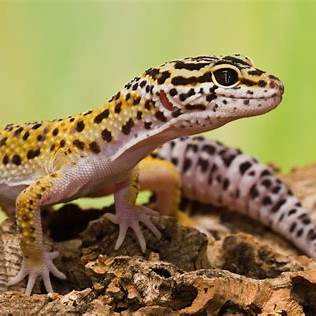
Baby leopard geckos
Leopard Gecko for sale Guide (Eublepharis macularius)—Habitat, Diet, Lifespan & Complete Owner’s Guide
Baby Leopard Gecko for sale
The Leopard Gecko (Eublepharis macularius) is one of the world’s most popular pet reptiles due to its calm temperament, manageable size, and relatively straightforward care requirements. Native to the dry grasslands, rocky deserts, and semi-arid regions of Afghanistan, Pakistan, Iran, and northwestern India, this fascinating lizard has become a favorite among both beginner and experienced reptile enthusiasts.
Unlike many other gecko species, leopard geckos have movable eyelids, allowing them to blink and close their eyes completely. Their thick, segmented tails store fat reserves, helping them survive periods when food is scarce.
This guide covers everything you need to know about leopard geckos, including their habitat, diet, lifespan, behavior, enclosure requirements, and answers to the most commonly searched questions.
About the Leopard Gecko
Common Name
Leopard Gecko
Scientific Name
Eublepharis macularius
Class
Reptilia
Order
Squamata
Family
Eublepharidae
Native Range
Leopard geckos naturally occur in:
- Afghanistan
- Pakistan
- Iran
- Northwest India
Their native habitats include:
- Rocky deserts
- Dry grasslands
- Semi-arid scrublands
- Gravel plains
Appearance
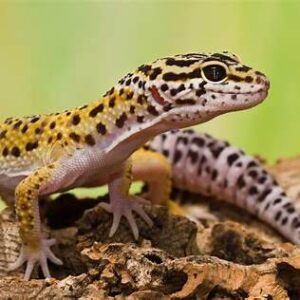
Leopard geckos are easily recognized by their distinctive spotted patterns.
Typical characteristics include:
- Yellow to cream body coloration
- Black spots resembling a leopard’s coat
- White underside
- Thick segmented tail
- Movable eyelids
- Small claws instead of adhesive toe pads
Selective breeding has produced hundreds of color and pattern morphs, including albino, blizzard, tangerine, snow, eclipse, and other unique variations.
Baby Leopard Geckos
Baby leopard geckos hatch measuring approximately:
- 3–4 inches (7–10 cm)
Juveniles display bold dark bands across their bodies, which gradually develop into the spotted adult pattern as they mature.
Young geckos require frequent feeding, appropriate heating, and secure hiding places to support healthy growth.
Leopard Gecko Lifespan
Leopard Gecko Lifespan
With proper husbandry, leopard geckos commonly live:
- 15–20 years
Some individuals have exceeded 25 years in captivity with excellent care.
Owning a leopard gecko is a long-term commitment.
Adult Size
Adult leopard geckos generally reach:
- 7–10 inches (18–25 cm)
Average weight:
- 45–90 grams
Males are typically larger and have broader heads than females.
Leopard Gecko Habitat
In the wild, leopard geckos spend much of the day hidden beneath rocks or inside burrows to avoid extreme daytime temperatures.
A suitable enclosure should provide:
- Warm basking area
- Cooler retreat
- Multiple hiding places
- Dry substrate
- Fresh water
- Secure lid
Environmental enrichment such as rocks, cork bark, tunnels, and climbing structures encourages natural behaviors.
Temperature and Lighting
Proper heating is essential for digestion and overall health.
Recommended temperatures include:
Warm hide:
- 88–92°F (31–33°C)
Cool side:
- 72–78°F (22–26°C)
Night temperatures:
- 68–75°F (20–24°C)
Although leopard geckos are primarily crepuscular, many keepers provide low-level UVB lighting to support natural behaviors and calcium metabolism.
Diet
What Do Leopard Geckos Eat?
Leopard geckos are insectivores and feed on a variety of live insects.
Suitable foods include:
- Crickets
- Dubia roaches
- Mealworms
- Black soldier fly larvae
- Silkworms
- Locusts
- Occasional waxworms as treats
Feeder insects should be gut-loaded and dusted with calcium and vitamin supplements according to veterinary guidance.
Fresh water should always be available.
Behavior
Leopard geckos are generally known for being:
- Calm
- Curious
- Primarily active at dawn and dusk
- Solitary
- Quiet and easy to observe
They communicate through body language, tail movements, and occasional chirps or clicking sounds.
When threatened, a leopard gecko may drop part of its tail, which can regenerate over time, although the regenerated tail often differs in appearance.
Breeding
Leopard geckos typically reach sexual maturity at:
- 18–24 months
Females usually lay:
- Two eggs per clutch
- Several clutches during the breeding season
Incubation generally lasts:
- 45–60 days
Incubation temperature influences the sex ratio of hatchlings.
Common Color Morphs
Selective breeding has produced many striking morphs, including:
- Albino
- Tangerine
- Blizzard
- Snow
- Mack Snow
- Eclipse
- Patternless
- Super Giant
- Hypo
- Tremper Albino
Each morph exhibits unique color, pattern, or eye characteristics while remaining the same species.
Blue Leopard Gecko
Blue Leopard Gecko
Many people search for Blue Leopard Gecko, but true naturally blue leopard geckos do not exist.
Some morphs may display pale gray, lavender, or bluish tones under certain lighting conditions, but there is no officially recognized naturally blue morph.
Conservation
Wild leopard gecko populations remain relatively stable across much of their native range.
Responsible reptile keeping supports conservation by encouraging captive breeding and reducing pressure on wild populations.
Prospective owners should ensure any pet reptile originates from established captive breeding programs rather than wild collection.
Frequently Asked Questions
Is a leopard gecko a good pet?
Leopard geckos are often recommended for beginners because of their generally calm temperament, manageable size, and relatively simple care requirements.
Is it better to have one or two leopard geckos?
Leopard geckos are naturally solitary animals. Many keepers house them individually to reduce stress and prevent territorial disputes.
Is a leopard gecko poisonous?
No. Leopard geckos are not poisonous or venomous.
What do leopard geckos eat?
They eat a variety of live insects, including crickets, roaches, mealworms, black soldier fly larvae, and other appropriately sized feeder insects.
How long do leopard geckos live?
With excellent care, they commonly live 15–20 years, and some exceed 25 years.
How big do leopard geckos get?
Most adults grow to 7–10 inches in total length.
Can leopard geckos be handled?
Many captive-bred leopard geckos become accustomed to gentle, regular handling after they have settled into their new environment.
Do leopard geckos need UVB lighting?
While they can survive without UVB when provided proper supplementation, many reptile specialists recommend low-level UVB lighting to support natural behavior and calcium metabolism.
Do leopard geckos lose their tails?
Yes. They may voluntarily drop their tails as a defense mechanism. The tail usually regenerates, though it may differ slightly in appearance.
Are leopard geckos active during the day?
They are primarily crepuscular, meaning they are most active during dawn and dusk rather than in the middle of the day.
Final Thoughts
The Leopard Gecko (Eublepharis macularius) is one of the most rewarding reptiles for enthusiasts who appreciate a hardy, fascinating, and relatively easy-to-care-for lizard. Their gentle temperament, wide range of beautiful morphs, and engaging behaviors have made them one of the most widely kept gecko species worldwide. By providing an appropriately heated enclosure, balanced diet, environmental enrichment, and regular health care, keepers can enjoy the company of these remarkable reptiles for many years.