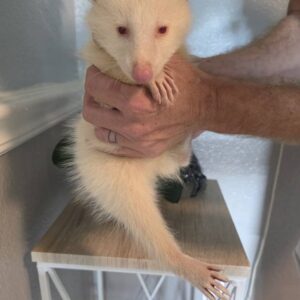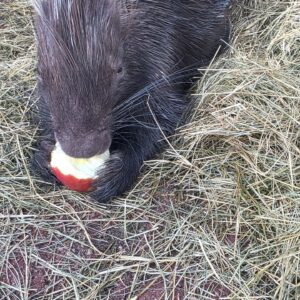
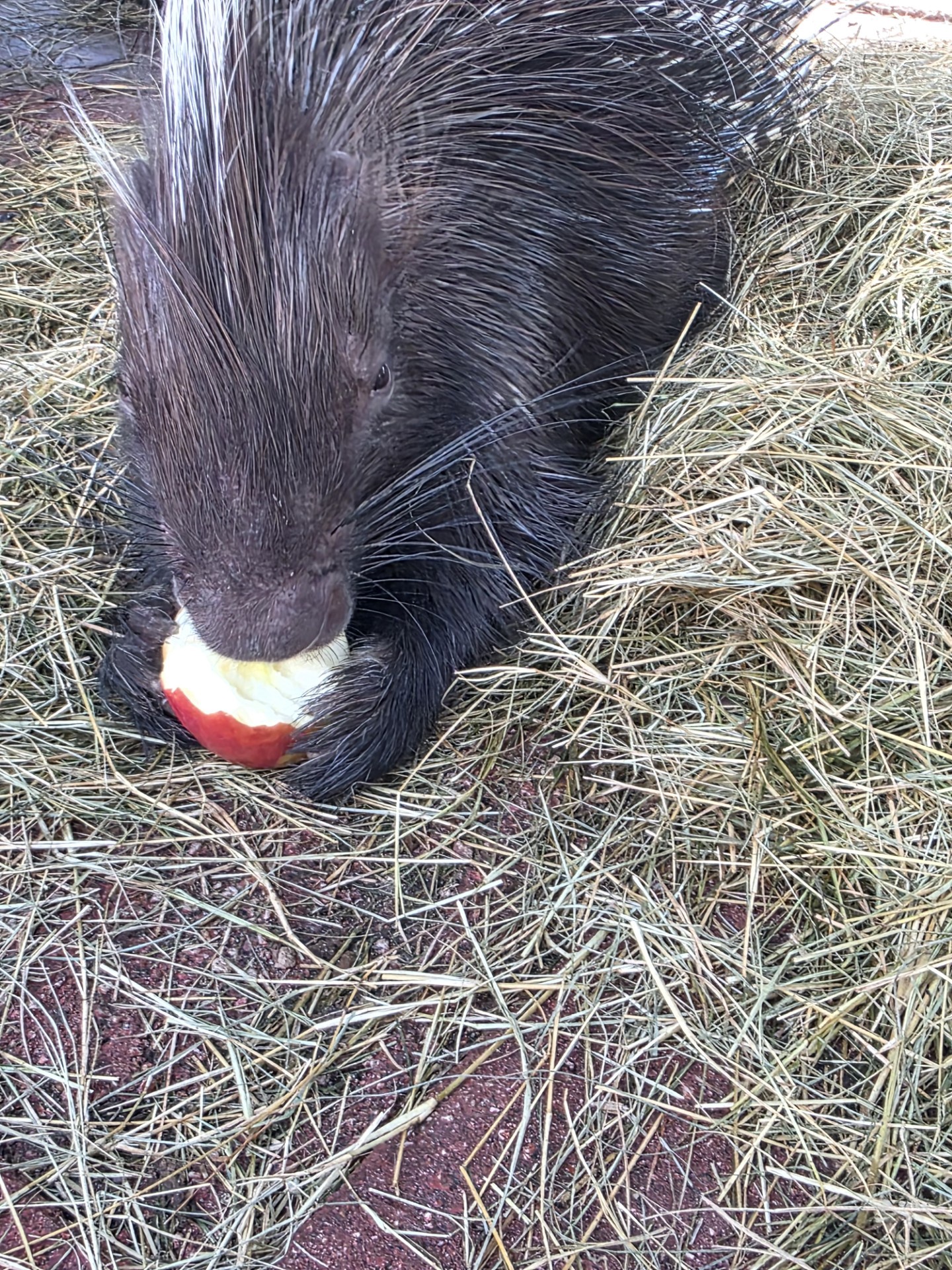
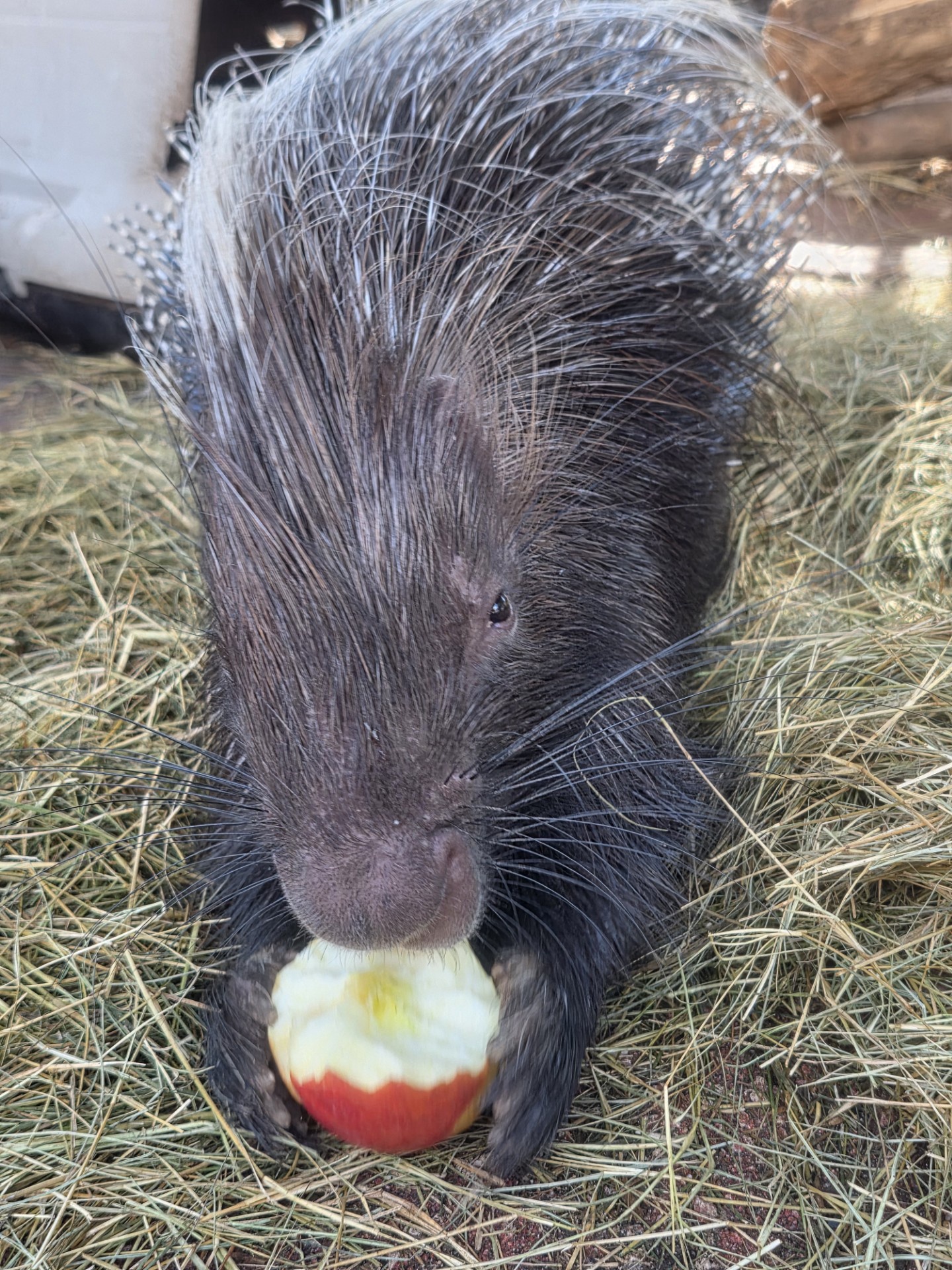
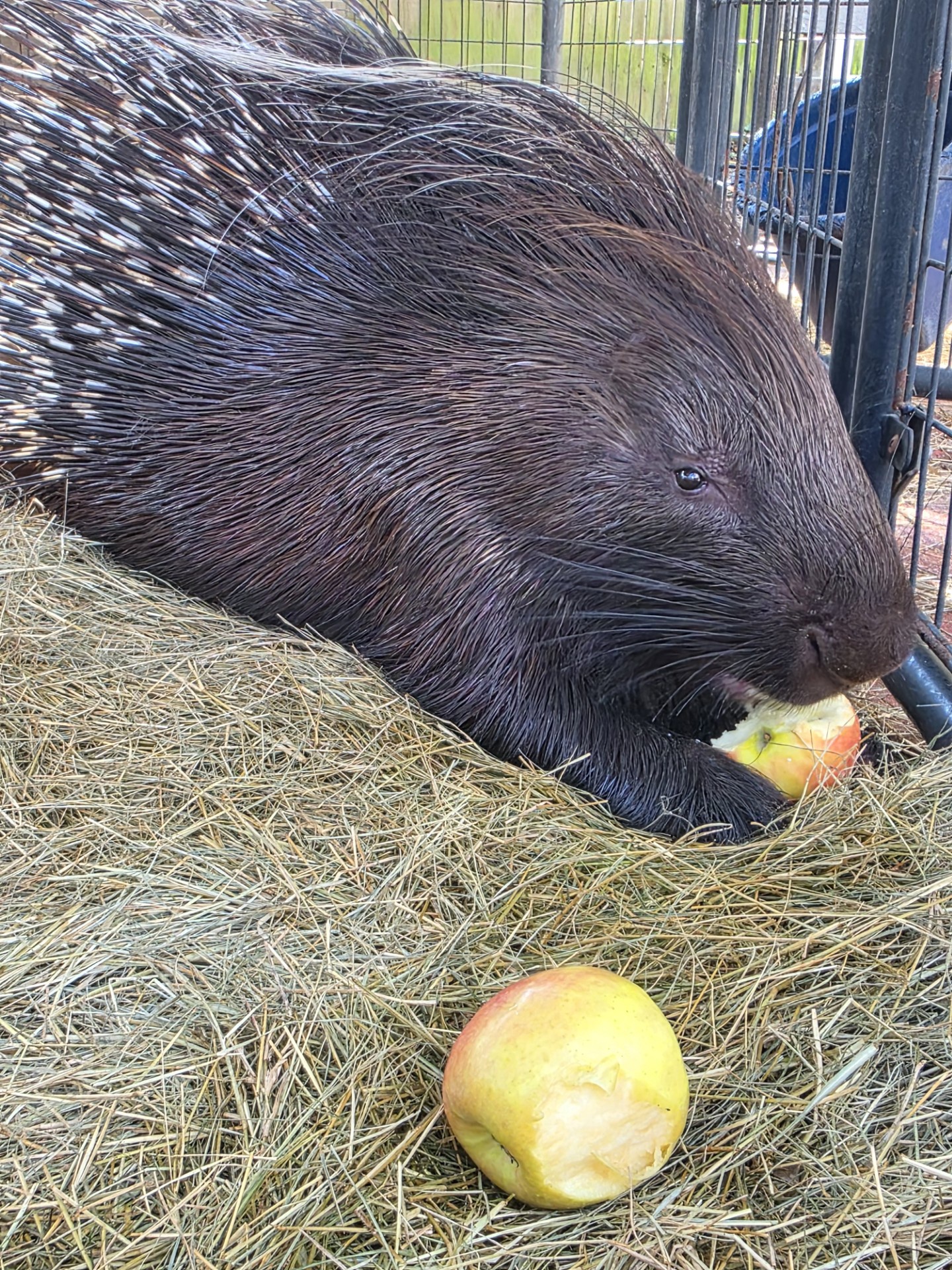
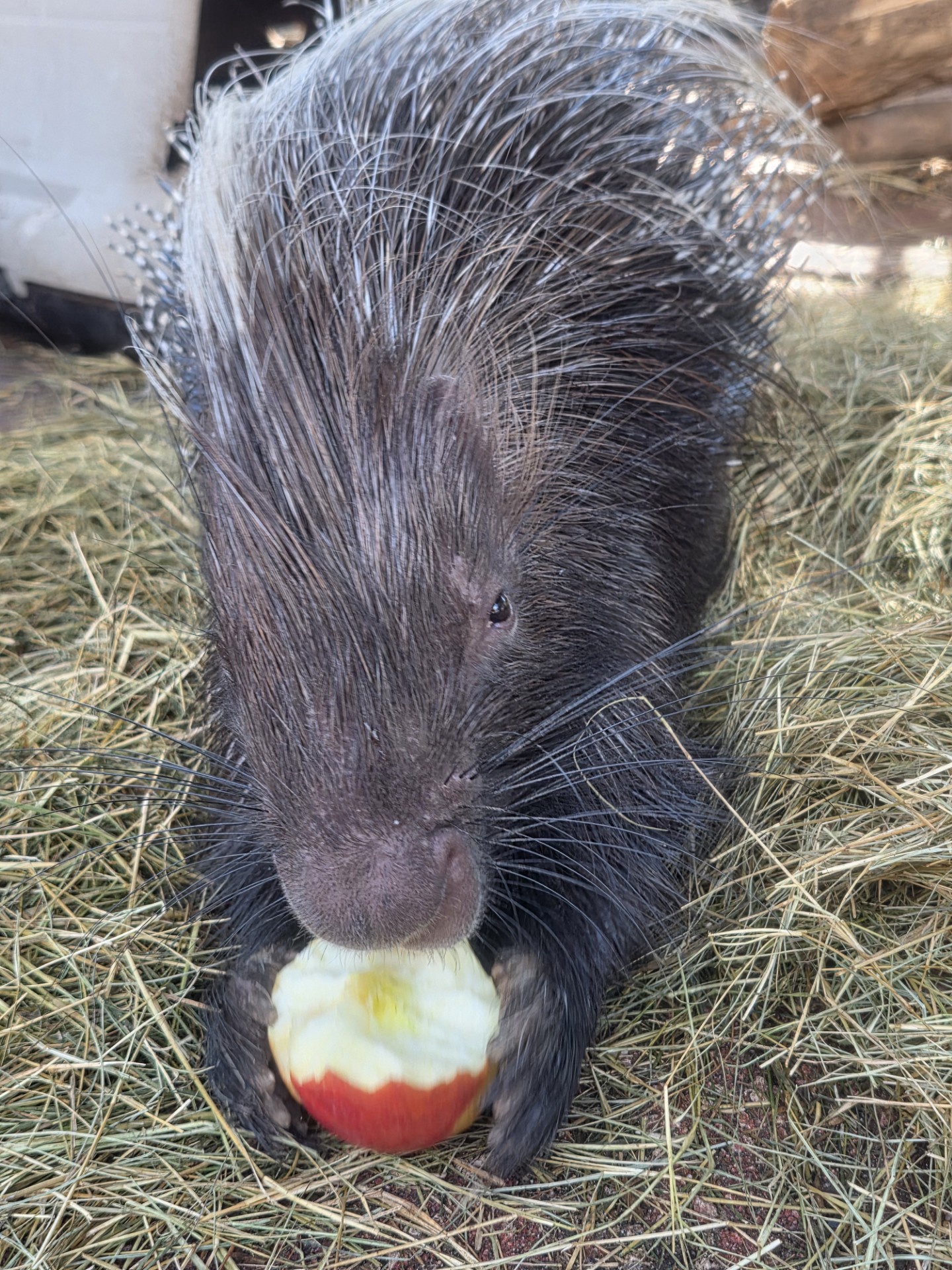
Adults Crested Porcupine for sale
Crested Porcupine Adults For Sale: Complete Guide to One of the World’s Largest Rodents
Learn About the Crested Porcupine
The crested porcupine (Hystrix cristata) is one of the largest and most recognizable rodent species in the world. Known for its impressive black-and-white quills, distinctive crest, and defensive behavior, the crested porcupine is native to parts of Africa and southern Europe.
These fascinating mammals have adapted to a variety of habitats and play an important role in local ecosystems.
African Crested Porcupine
The African crested porcupine is the largest porcupine species found in Africa.
Key Characteristics
- Large body size
- Long defensive quills
- Distinctive head crest
- Nocturnal lifestyle
- Excellent sense of smell
- Strong digging ability
Adult crested porcupines can weigh between 20 and 60 pounds depending on age, sex, and habitat conditions.
Crested Porcupine Habitat and Range
Where Do Crested Porcupines Live?
Crested porcupines naturally occur in:
- North Africa
- East Africa
- Parts of Central Africa
- Southern Europe
- Mediterranean regions
They prefer:
- Grasslands
- Forests
- Rocky hillsides
- Agricultural areas
- Woodland habitats
Porcupine Behavior
Porcupines are generally shy and avoid confrontation.
When threatened, they may:
- Raise their quills
- Rattle hollow tail quills
- Stamp their feet
- Retreat to burrows
Contrary to popular myths, porcupines cannot shoot their quills.
Mini Porcupine and Other Porcupine Species
Many people search for information about mini porcupines, but there is no true miniature porcupine species.
Popular porcupine species include:
- African Crested Porcupine
- North American Porcupine
- Cape Porcupine
- Malayan Porcupine
- Brazilian Porcupine
Each species differs in size, habitat, and behavior.
Porcupine Lifespan
How Long Does a Porcupine Live?
Porcupine lifespan varies by species and environment.
Average lifespan:
- Wild: 10–15 years
- Professional care environments: up to 20 years or more
Factors affecting lifespan include:
- Diet
- Habitat quality
- Veterinary care
- Environmental conditions
Can I Have a Porcupine as a Pet?
Laws regarding porcupine ownership vary significantly depending on location.
Before considering ownership of any exotic animal, individuals should research:
- Local regulations
- Permit requirements
- Veterinary availability
- Housing needs
- Long-term care responsibilities
Many regions have restrictions on keeping native or exotic wildlife.
How Much Does It Cost to Care for a Porcupine?
Long-term costs associated with porcupine care may include:
- Habitat construction
- Veterinary care
- Nutrition
- Environmental enrichment
- Licensing or permits where applicable
Potential owners should fully understand these responsibilities before acquiring any exotic species.
How Much Are Porcupine Quills Worth?
Porcupine quills have historically been used in:
- Traditional crafts
- Artwork
- Cultural decorations
- Educational displays
The value of quills varies depending on size, quality, legality, and local regulations governing wildlife products.
Crested Porcupine Diet
Porcupines are herbivores and commonly eat:
- Roots
- Bark
- Fruits
- Vegetables
- Tubers
- Plant material
Their strong teeth continuously grow throughout life, helping them process tough vegetation.
Frequently Asked Questions
What is a crested porcupine?
The crested porcupine is a large rodent species recognized for its long protective quills and distinctive crest.
Can porcupines shoot their quills?
No. Porcupines cannot shoot their quills. Quills detach upon contact with predators.
How long does a porcupine live?
Many porcupines live between 10 and 20 years depending on species and care.
Are crested porcupines dangerous?
They are generally defensive rather than aggressive and rely primarily on their quills for protection.
What do porcupines eat?
Porcupines are herbivores that feed on roots, bark, fruits, vegetables, and other plant materials.
Conservation and Education
Understanding species such as the crested porcupine helps promote wildlife conservation, responsible stewardship, and appreciation for biodiversity.
Learning about their natural habitat, behavior, and ecological role contributes to greater awareness of the importance of protecting wildlife around the world.