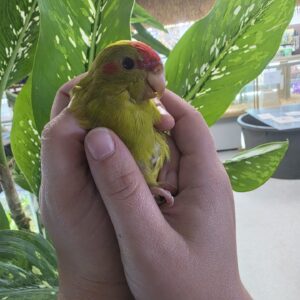
Kakariki Birds For Sale Online
Green Kakariki Birds for Sale: A – Complete Guide to These Active and Colorful Parrots
Discover the Fascinating Kakariki Bird
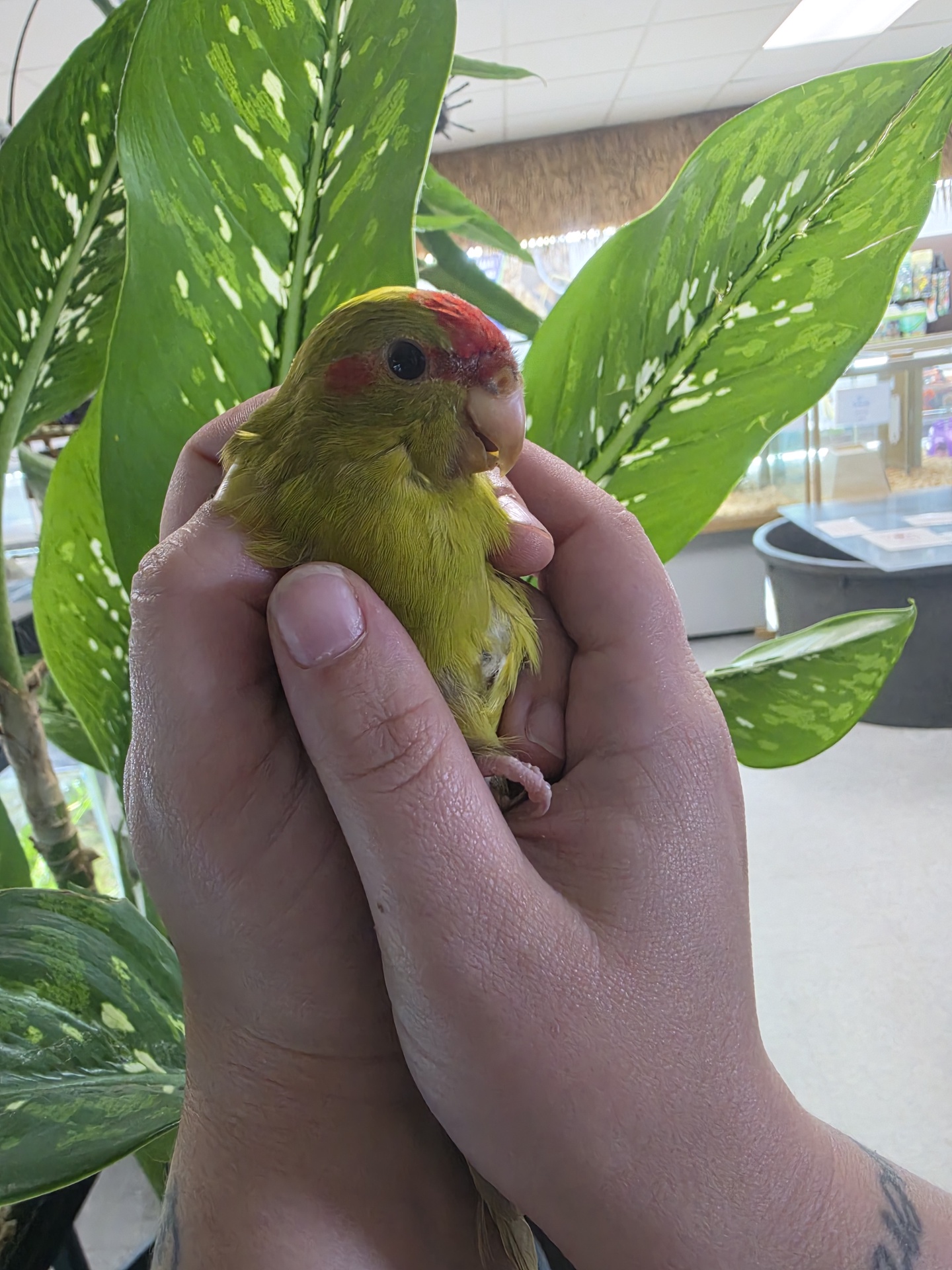
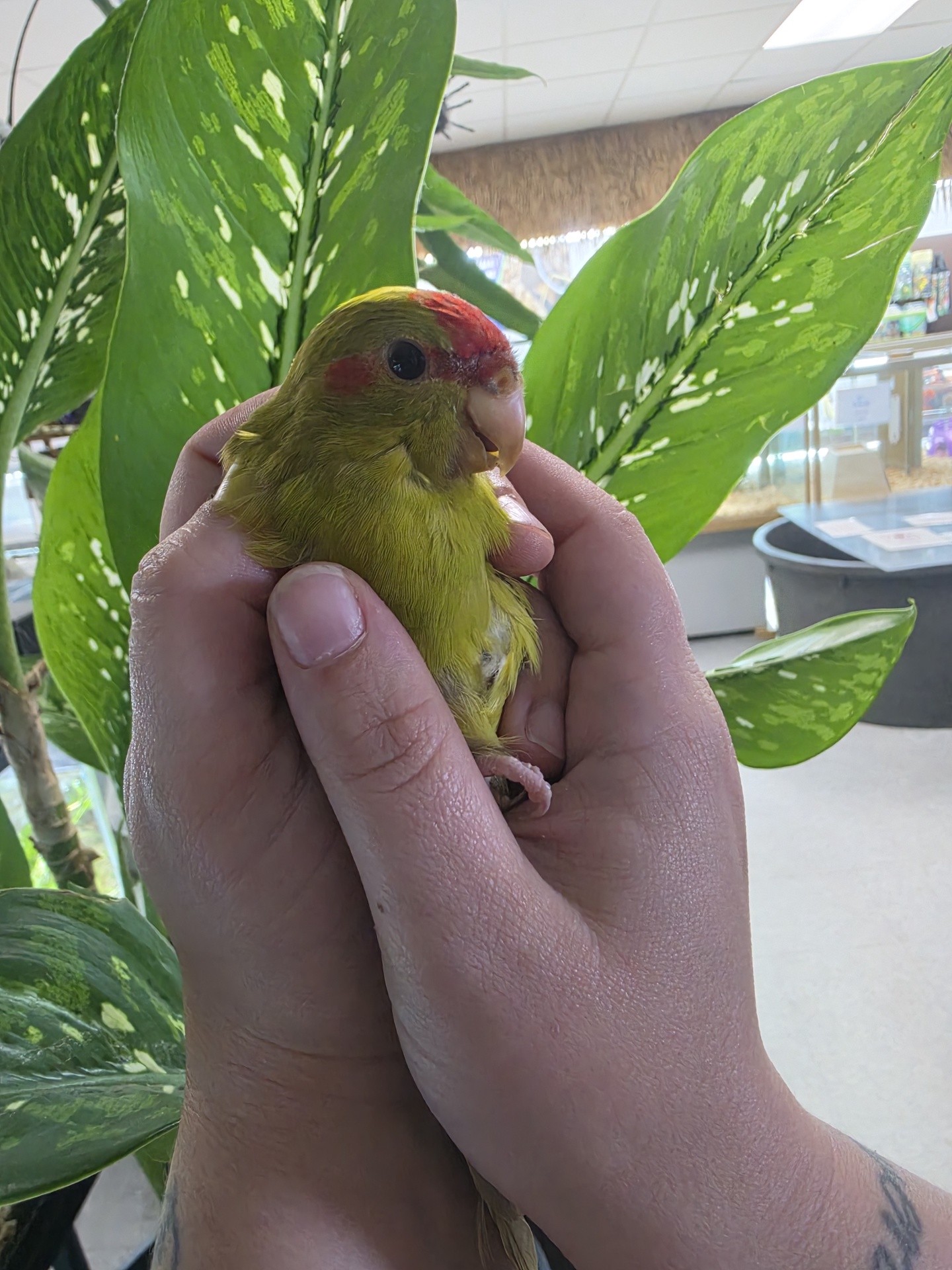
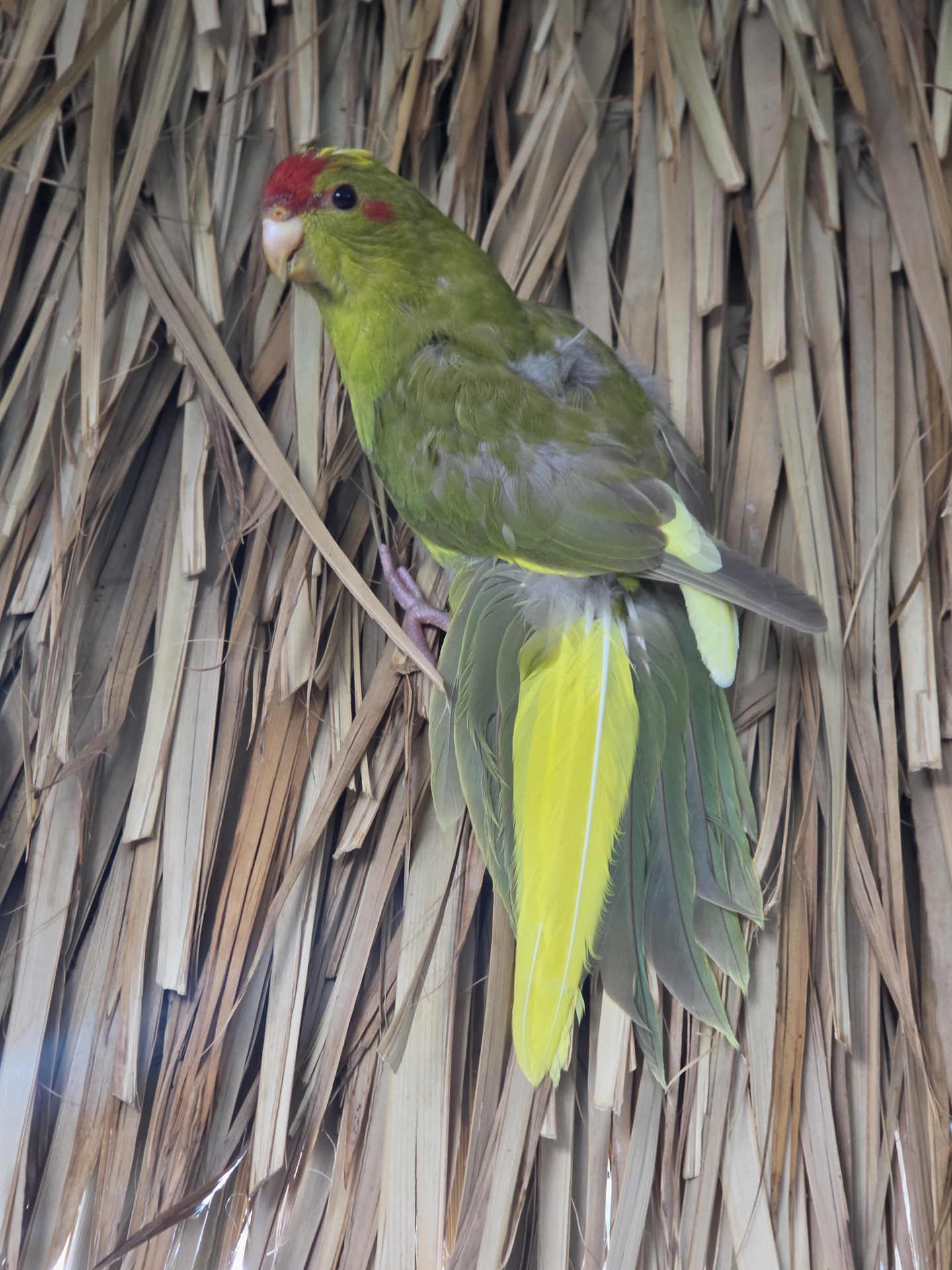
Kakarikis are energetic, intelligent, and colorful parrots originally native to New Zealand. Known for their playful personalities, constant curiosity, and vibrant green plumage, Kakariki parrots have become increasingly popular among bird enthusiasts around the world.
At Dark Web Pet Shop, we provide educational resources to help bird lovers learn more about Kakarikis, their care requirements, lifespan, behavior, and suitability as companion birds.
Kakariki Birds Near Me
What to Know Before Choosing a Kakariki
Many bird enthusiasts search for information about Kakariki birds near them because these parrots are known for their friendly personalities and active lifestyles.
Before bringing a Kakariki into your home, it is important to understand:
- Daily exercise requirements
- Nutritional needs
- Cage and aviary size
- Social interaction requirements
- Veterinary care considerations
Proper preparation helps ensure a healthy and rewarding experience for both the bird and its owner.
Kakarikis: Personality and Characteristics
Kakarikis are medium-sized parrots known for:
- High energy levels
- Friendly nature
- Excellent climbing abilities
- Curious behavior
- Bright green feathers
- Distinctive red forehead markings
Unlike some parrots, Kakarikis spend a significant amount of time exploring the ground, making them unique among companion bird species.
Key Facts
- Scientific Name: Cyanoramphus novaezelandiae
- Origin: New Zealand
- Size: Approximately 10–11 inches
- Temperament: Active, playful, intelligent
- Suitable for: Experienced and beginner bird owners willing to provide daily enrichment
Kakariki Parrot Lifespan
One of the most common questions bird enthusiasts ask concerns the Kakariki parrot lifespan.
With proper care, nutrition, and veterinary support, Kakarikis may live:
Average Lifespan
- 10–15 years
- Some individuals may live longer with exceptional care
Factors affecting lifespan include:
- Diet quality
- Exercise
- Housing conditions
- Veterinary care
- Environmental enrichment
Baby Kakariki Information
Young Kakarikis are known for their playful personalities and rapid development.
During their early months, they require:
- Proper nutrition
- Safe socialization
- Spacious housing
- Mental stimulation
- Regular health monitoring
Young birds often develop strong bonds with their caretakers when provided with consistent interaction and positive experiences.
Kakariki Parrot Blue Mutations
Blue Kakariki mutations are among the most visually striking color variations found in captivity.
These birds may display:
- Blue-green coloration
- Unique feather patterns
- Bright personalities similar to traditional green Kakarikis
Color mutations do not generally alter the bird’s temperament or care requirements.
Cream Kakariki Varieties
Cream-colored Kakarikis are another beautiful color variation appreciated by bird enthusiasts.
These birds are admired for:
- Soft cream plumage
- Distinctive appearance
- Gentle personalities
- Active behavior
Like all Kakarikis, they require enrichment, social interaction, and proper nutrition to thrive.
Can a Kakariki Parrot Talk?
Kakariki Talking Ability
Many prospective owners ask:
Can a Kakariki parrot talk?
While Kakarikis are not considered the strongest talking parrots, some individuals can learn:
- Simple words
- Short phrases
- Household sounds
- Whistles and mimicry
Their intelligence makes them capable learners, although they are generally known more for their activity and personality than extensive speech abilities.
Do Kakarikis Make Good Pets?
Why Bird Owners Love Kakarikis
Kakarikis can make excellent companion birds for the right households.
Advantages include:
✔ Friendly and curious nature
✔ Active and entertaining behavior
✔ Relatively quiet compared to larger parrots
✔ Intelligent and trainable
✔ Attractive coloration
Potential owners should be prepared to provide:
- Daily interaction
- Exercise opportunities
- Mental stimulation
- A spacious environment
How Long Does a Kakariki Bird Live?
With proper care, a Kakariki bird may live for over a decade.
Lifespan Factors
- Balanced diet
- Clean living environment
- Veterinary care
- Daily exercise
- Social enrichment
Owners who invest time in their bird’s well-being often enjoy many years of companionship.
How Many Eggs Does a Kakariki Lay?
Kakariki Breeding Information
Female Kakarikis may lay:
- Approximately 5–9 eggs per clutch
Incubation typically lasts around:
- 19–21 days
Breeding should always be approached responsibly with consideration for animal welfare and proper care requirements.
Kakariki Care Guide
Housing Requirements
Kakarikis require:
- Spacious cages or aviaries
- Multiple perches
- Climbing opportunities
- Safe toys and enrichment
Nutrition
A healthy diet should include:
- High-quality pellets
- Fresh vegetables
- Fruits in moderation
- Clean water daily
Exercise
Kakarikis are extremely active birds and benefit from:
- Daily supervised activity
- Foraging opportunities
- Interactive toys
- Environmental enrichment
Helpful Resources
Internal Resources
- /shop/exotic-birds/
- /bird-care-guide/
- /shipping-policy/
- /about-us/
- /contact-us/
External Educational Resources
For additional bird care information, visit:
Frequently Asked Questions
What is a Kakariki?
A Kakariki is a small-to-medium New Zealand parrot known for its playful and energetic personality.
Can Kakarikis learn to talk?
Some Kakarikis can learn a limited number of words and sounds, although they are not known as advanced talking parrots.
How long do Kakarikis live?
Most Kakarikis live between 10 and 15 years with proper care.
Are Kakarikis beginner-friendly birds?
They can be suitable for beginners who are prepared to provide daily interaction and enrichment.
How many eggs does a Kakariki lay?
A typical clutch contains approximately 5 to 9 eggs.
Learn More About Kakarikis
Kakarikis are among the most entertaining and active companion parrots in the world. Their intelligence, curiosity, and vibrant personalities make them a favorite among bird enthusiasts who are willing to provide the attention and care these remarkable birds deserve.